Auto repair labor rates vary significantly across the United States. In 2025, costs are rising due to inflation and technology advances. These rates impact both shop owners’ profits and what customers pay.
Understanding regional differences helps you make informed decisions. This blog breaks down labor rates by state, explores industry trends, and shares tips to manage pricing effectively.
What Affects Auto Repair Labor Rates
Labor rates depend on many factors. These elements influence how much shops charge and customers pay. Understanding these factors helps you grasp the bigger picture behind the numbers.
1. Geography & cost of living
Labor rates tend to be higher in areas where the cost of living is high. Shops face higher rent, utility bills, and wages, which they pass on to customers. For example, cities like San Francisco and New York typically have steeper labor rates than rural areas. These regional differences also reflect local economic conditions and business costs.
- Urban areas often have 20-40% higher labor rates than rural regions.
- Higher local taxes and commercial rents increase shop expenses.
- Shops must balance pricing to cover overhead while staying competitive.
2. Shop type (independent vs. dealership vs. mobile)
According to LLC Buddy, independent car repair businesses perform 75% of the aftermarket vehicle repair work for the industry. The kind of shop you choose affects automotive labor rates significantly. Dealerships usually charge more because of their brand reputation and specialized services. Independent repair shops often have lower overhead and offer more flexible pricing. Mobile mechanics provide convenience and can often charge less, but may have limitations on the scope of work they perform.
- Dealership shops tend to set premium labor rates for brand expertise.
- Independent shops compete on price and personalized service.
- Mobile repair services reduce overhead costs but may have limited capabilities.
3. Technician expertise & certification
Technician expertise is a major factor influencing auto repair labor costs. Highly skilled and certified technicians demand higher wages. Shops that employ ASE-certified or manufacturer-trained technicians can justify charging more due to the superior quality of work and reliability. Additionally, technicians with years of experience often work faster and reduce repair times.
- Certified technicians improve customer trust and service quality.
- Specialized training in EVs or ADAS can increase labor costs.
- Experience helps shops maintain efficiency and reduce errors.
4. Technology adoption
Repair shops that invest in the latest diagnostic and repair technology usually have higher labor rates. These tools help technicians diagnose problems faster and more accurately, improving overall service quality. Investing in shop management software also simplifies operations, reduces errors, and increases productivity, which can justify charging premium prices.
- Digital vehicle inspections (DVIs) enhance transparency and upsell potential.
- Advanced diagnostic equipment requires investment and skilled operators.
- Efficient software systems reduce admin time, allowing more billable hours.
5. Local market demand & regulation
Local market demand and regulatory requirements strongly impact car repair labour rates. High customer demand in busy areas can drive rates up. Strict local regulations, such as environmental or licensing rules, increase operating costs for shops. Insurance requirements also vary by state, affecting overhead and labor pricing.
- Shops in high-demand markets can charge higher labor rates.
- Environmental regulations may require costly compliance measures.
- Insurance premiums fluctuate based on location and shop size.
2025 Auto Repair Labor Rates State-by-State Breakdown
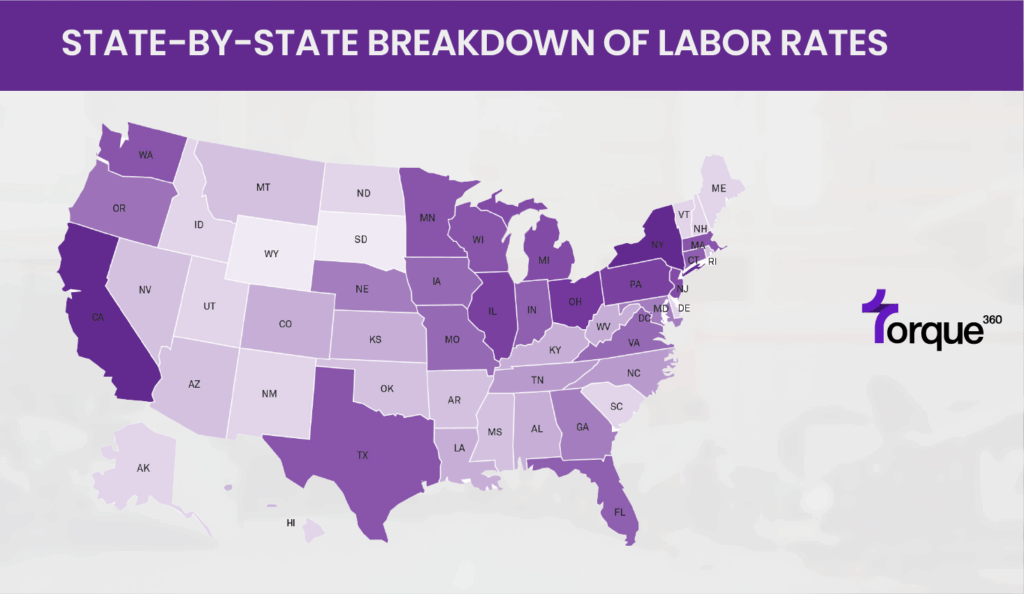
Auto repair shop labor rates vary significantly across the U.S., influenced by regional economics and market conditions. To help you understand these differences, we’ve grouped states into four main regions. Below is the updated 2025 breakdown by region. You can also check the updated labor rates on the Automotive Management Network website.
1. West
The West has the highest mechanic hourly rate in the U.S. This is largely due to higher living costs, stricter environmental laws, and faster adoption of electric vehicles. Shops here also invest heavily in advanced diagnostic tools and skilled technicians, driving labor prices upward.
| State | Labor Rate |
| Alaska | $135-$150/hour |
| Arizona | $125-$140/hour |
| California | $155-$175/hour |
| Colorado | $135-150/hour |
| Hawaii | $120-$140/hour |
| Idaho | $130-$145/hour |
| Montana | $140-$150/hour |
| Nevada | $130-$140/hour |
| New Mexico | $135-$145/hour |
| Oregon | $130-$140/hour |
| Utah | $130-$145/hour |
| Washington | $135-$145/hour |
| Wyoming | $150-$155/hour |
2. Midwest
The Midwest has moderate labor rates compared to other regions. This reflects a balance between lower living costs and steady demand for auto repairs. Shops in this area focus on providing efficient and reliable service, benefiting from a mix of urban and rural markets. Average auto shop labor rates here tend to be more affordable than in coastal areas, though prices can vary based on local economies and technician availability.
| State | Labor Rate |
| Illinois | $125-$140/hour |
| Indiana | $135-$145/hour |
| Iowa | $130-$145/hour |
| Kansas | $135-$150/hour |
| Michigan | $135-$145/hour |
| Minnesota | $135-$150/hour |
| Missouri | $135-$150/hour |
| Nebraska | $135-$150/hour |
| North Dakota | $130-$145/hour |
| Ohio | $130-$140/hour |
| South Dakota | $130-$150/hour |
| Wisconsin | $130-$145/hour |
3. South
The South features labor rates that are generally moderate but can vary widely due to diverse economic conditions across states. Lower living costs keep rates affordable in many areas, but growing urban centers and increasing demand for repairs are pushing prices upward. Shops in the South often balance competitive pricing with investments in skilled technicians and modern equipment to meet customer expectations.
| State | Labor Rate |
| Alabama | $140-$150/hour |
| Arkansas | $140-$150/hour |
| Delaware | $130-$145/hour |
| Florida | $140-$145/hour |
| Georgia | $140-$150/hour |
| Kentucky | $140-$150/hour |
| Louisiana | $140-$150/hour |
| Maryland | $135-$145/hour |
| Mississippi | $150-$155/hour |
| North Carolina | $85-$105/hour |
| Oklahoma | $135-$150/hour |
| South Carolina | $130-$145/hour |
| Tennessee | $140-$150/hour |
| Texas | $140-$145/hour |
| Virginia | $130-$145/hour |
| West Virginia | $140-$145/hour |
4. Northeast
The Northeast tends to have higher labor rates due to a combination of higher living costs, dense urban populations, and strict regulations. Shops in this region invest heavily in advanced technology and experienced technicians, which contributes to the increased pricing. The average labor rate for auto repair here reflects the premium service and complexity of repairs often required in this market.
| State | Labor Rate |
| Connecticut | $125-$140/hour |
| Maine | $130-$140/hour |
| Massachusetts | $130-$135/hour |
| New Hampshire | $120-$135/hour |
| New Jersey | $140-$145/hour |
| New York | $135-$140/hour |
| Pennsylvania | $135-$140/hour |
| Rhode Island | $120-$130/hour |
| Vermont | $115-$130/hour |
5 Key Industry Trends Driving Labor Rates in 2025
Labor rates are influenced by more than just inflation or location. In 2025, technological shifts and workforce challenges are transforming auto repair operations. Changing business models are also influencing how shops price their services. Below are the key trends driving these changes.
1. EV maintenance and higher expertise
According to IMR, 4.8% of shops noted the challenge of staying current with diagnostic and software updates to service electric and hybrid vehicles (EV/HEV). Electric vehicles (EVs) are changing how shops handle repairs. While EVs require fewer routine services, the complexity of their systems demands specialized training and safety protocols.
Shops need technicians who are certified to work on high-voltage systems. Components like battery packs, inverters, and electric drivetrains require advanced diagnostics and careful handling. Investing in EV training and equipment raises operational costs. As a result, shops that service electric vehicles charge higher labor rates.
As EV adoption grows, so does the need for skilled EV technicians and the rates they command.
2. Digital diagnostics and repair tech
Modern vehicles come equipped with more sensors, software, and electronic systems than ever before. Diagnosing and repairing these vehicles requires advanced tools and the expertise to use them.
Shops increasingly rely on digital diagnostic tools, scan systems, and Digital Vehicle Inspections (DVIs). These tools help identify problems faster and more accurately, improving customer trust and repair quality. Using them effectively requires ongoing technician training and software subscriptions. These expenses add to the overall cost of doing business.
To maintain profitability, many shops adjust their labor rates to reflect these investments in diagnostic technology.
3. Labor shortages and wage hikes
According to Motor, nearly half of the surveyed shops charge labor rates between $120 and $159 per hour. This reflects the rising costs of attracting and retaining skilled technicians. This shortage is driving wages up, which in turn pushes labor rates higher.
The auto repair industry continues to face a shortage of skilled technicians. Fewer young people are entering the trade, and experienced techs are in high demand. To attract and retain talent, shops must offer higher wages, better benefits, and improved working conditions. These increased labor costs significantly impact a shop’s bottom line. As a result, labor rates rise to cover the higher payroll expenses.
Shops that fail to adjust their rates risk losing qualified technicians or compromising service quality due to understaffing.
4. Rise of mobile repair services
Mobile repair services are expanding rapidly, offering on-site convenience for customers and a flexible model for shop owners.
Without the overhead of a physical location, mobile mechanics can often charge competitive or lower rates. However, setup costs, including tools, service vehicles, and scheduling systems, still affect pricing. Labor rates for mobile services vary widely depending on the region, service type, and technician expertise.
This shift is changing customer expectations and introducing new pricing strategies across the industry.
5. Investment in shop management software
Shop management software is now essential for efficient operations. It automates key processes like scheduling, estimating, invoicing, and customer communication.
By improving workflow, shops can increase productivity and reduce time spent on administrative tasks. This efficiency allows for better resource management.
To offset the costs and reflect improved service delivery, many shops adjust their labor rates as they adopt advanced shop management systems.
Top 5 Tips for Managing Labor Rates
Setting the right labor rates is critical for shop profitability and customer satisfaction. Here are five practical tips to help you manage labor pricing effectively in 2025.
1. Benchmark against local competitors
Understanding what nearby shops charge helps you stay competitive. Research labor rates in your area regularly to avoid underpricing or overpricing.
- Use online resources, industry reports, and local trade groups.
- Consider the services and expertise your shop offers compared to competitors.
- Adjust your rates based on your shop’s strengths and market positioning.
2. Use reliable labor guides
Labor guides provide standardized repair times and rates for common procedures. Using these guides helps ensure your pricing aligns with industry norms.
- Popular guides include Mitchell, ALLDATA, and Chilton.
- Regularly update labor times to reflect new vehicle technologies.
- Use labor guides to educate your team and justify pricing to customers.
3. Train and retain technicians
Skilled technicians improve efficiency and reduce costly errors. Investing in training and retention reduces turnover and protects your labor rate structure.
- Offer certifications, continuing education, and career advancement opportunities.
- Provide competitive wages and benefits to retain top talent.
- A well-trained team can complete repairs faster, increasing profitability.
4. Automate for higher efficiency
Automation tools reduce administrative overhead and free up technicians to focus on repairs. This improves shop throughput and helps maintain fair labor rates.
- Use shop management software for scheduling, invoicing, and parts ordering.
- Implement digital vehicle inspections to improve communication and upselling.
- Automate repetitive tasks to lower operational costs and increase billable hours.
5. Review rates regularly
Labor rates should not be static. Review your pricing structure at least twice a year to reflect changes in costs, market demand, and industry trends.
- Monitor inflation, wage changes, and parts pricing.
- Stay aware of competitor pricing adjustments.
- Use data from your shop’s performance to guide rate changes.
How to Add Labor Rate in Auto Repair Estimate Software
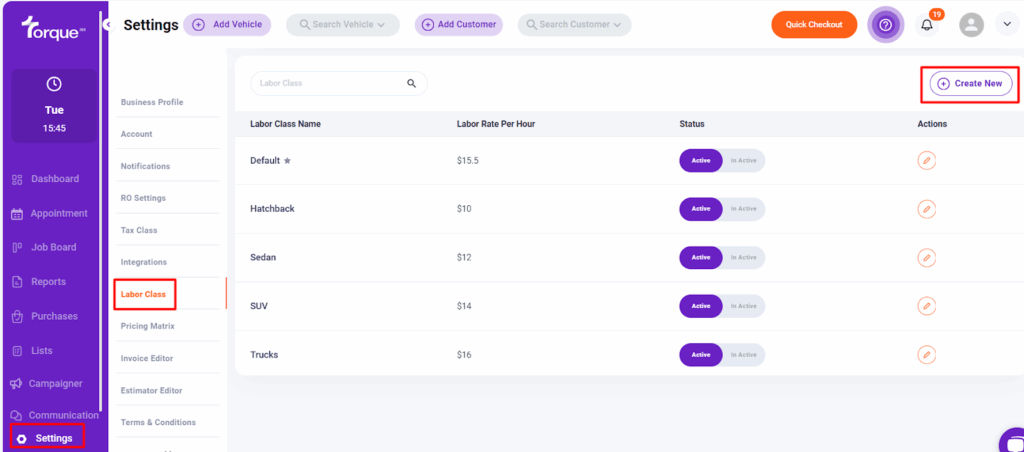
Once you log into Torque360, go to Settings > Labor Class and click “Create New.”
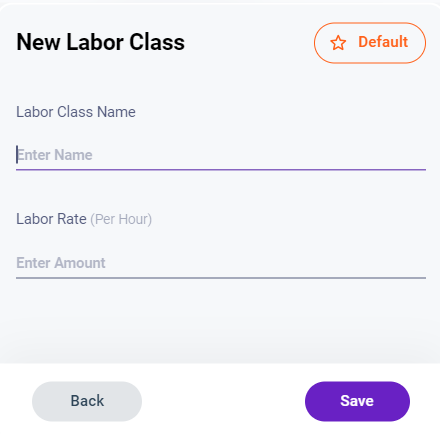
Enter “Labor Class Name” and “Labor Rate per Hour.” Click on “Default” (optional), and then click on “Save.”
You can create multiple labor classes. Once you are done, you will see “Status.”
You can select which class(s) to keep active or inactive. There can only be one default labor class.
So, the next time you create an estimate, the labor rate will automatically be entered into the auto repair estimate software.
Adding labor time via Epicor integration
You can add the estimated automotive labor time guide from Epicor Integration when creating the estimate.
Read “Using Auto Repair Estimate Software: A Shop Owner’s Guide” to learn how to add a job/labor from Epicor.
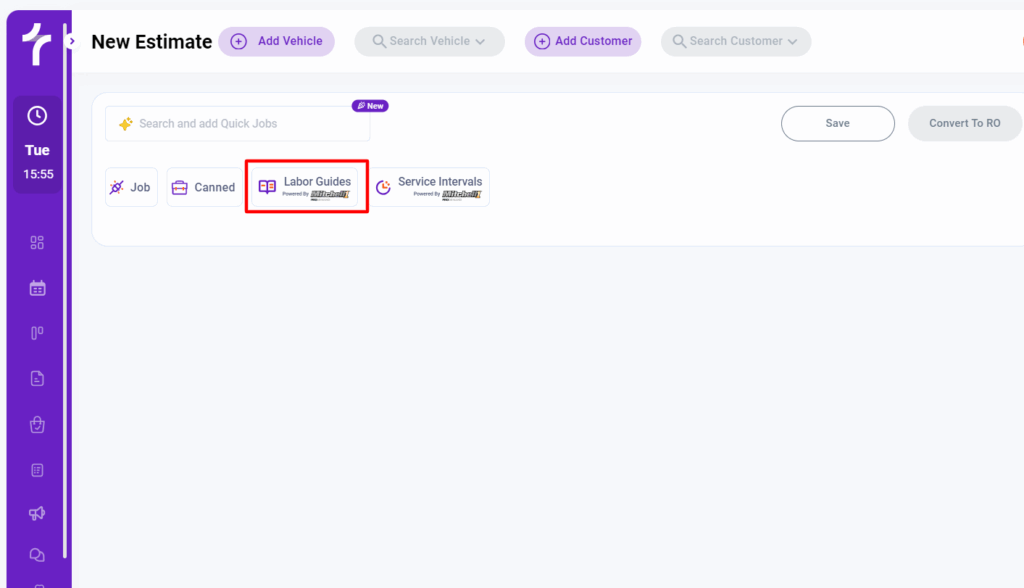
Once a job and labor are imported from Epicor to estimate, you can see the estimated time to finish a job.
This makes your estimate more accurate and precise!
Easily Navigate Auto Shop Labor Rates in 2025
Auto repair labor rates in 2025 reflect many changes, from rising costs to new technology and shifting customer expectations. Understanding these trends helps shops set competitive prices and maintain profitability.
Regularly reviewing your labor rates, investing in skilled technicians, and adopting modern tools will keep your business strong. Whether you’re a shop owner or a consumer, knowing the regional labor rate landscape empowers smarter decisions.
Frequently Asked Questions
What factors determine auto repair labor rates in my state?
Auto repair labor rates vary due to geography, local cost of living, shop type, technician expertise, technology adoption, and state regulations. Urban areas with higher living costs and stricter rules often have higher rates.
Should I adjust my labor rates based on local competition?
Yes. Monitoring nearby shops helps you stay competitive. Pricing too high or too low can affect your customer base and profitability. Use local benchmarks to set fair rates.
How do labor rates impact my profit margins?
Labor rates are a major factor in your profits. Higher rates increase revenue, but prices that are too high might drive customers away. Balancing rates with quality and efficiency is key.
How much do most mechanics charge for labor?
In 2025, labor rates typically range from about $110 to $176 per hour, depending on the state. Rates are higher in states like California ($155–$175/hr) and lower in places like Mississippi (~$110/hr).