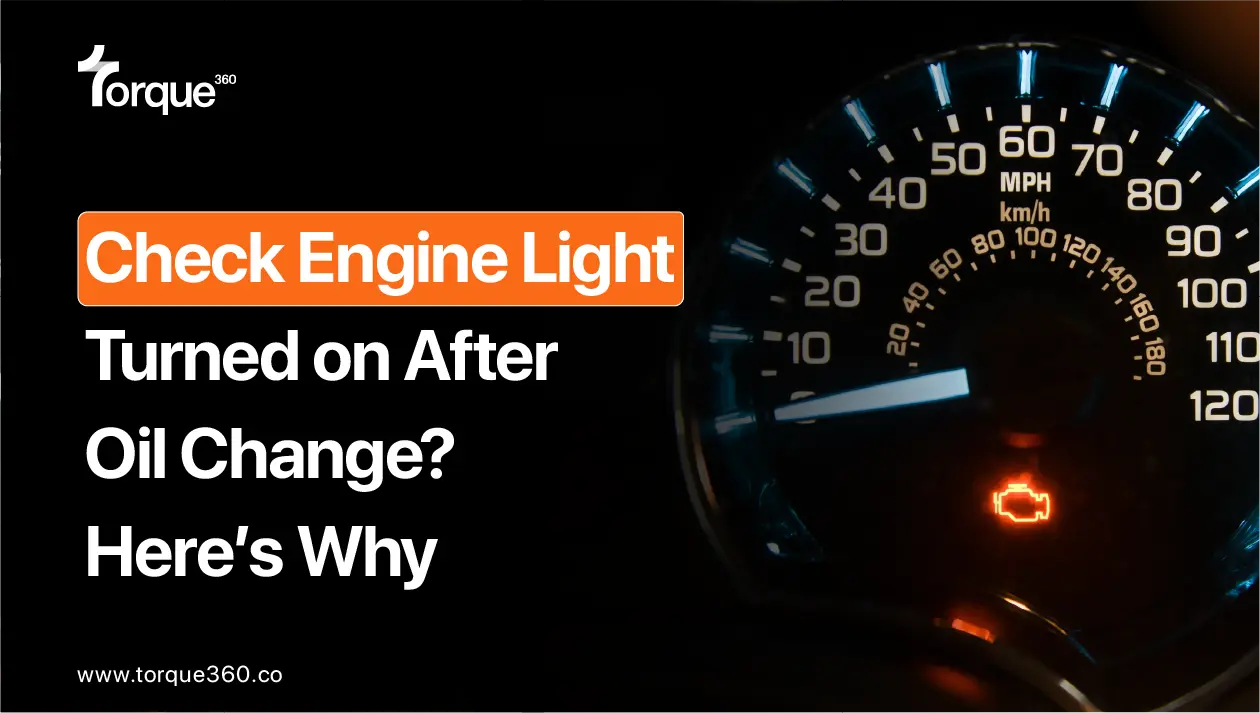
Oil changes are one of the most common types of vehicle maintenance. In most cases, the process is quick and straightforward. The drivers expect everything to work normally afterward.
However, sometimes the check engine light may turn on shortly after an oil change. This can be confusing. Especially if the vehicle was running perfectly before the service.
Many drivers delay addressing dashboard warnings. In fact, a survey found that only 36.1% of drivers take their car to a mechanic. They usually do that within the first week after a warning light appears. It can allow small issues to develop into more serious engine problems.
It seems alarming, but there are several common reasons why this warning appears after an oil change. In many cases, the issue is caused by small oversights. It could be a loose oil cap or an incorrect oil level. It can also be a sensor reading triggered during the service.
Understanding what might cause the warning to appear can help you address the issue quickly. It can prevent potential engine problems.
Let’s take a closer look at why this happens and what you can do to fix it.
Reasons Why the Check Engine Light Turns On After an Oil Change
1. Oil Fill Cap Not Tight or Incorrectly Placed
3. Wrong Oil Type or Viscosity
7. Other Potential Underlying Problems

1. Oil fill cap not tight or incorrectly placed
The oil fill cap plays an important role in sealing the engine system. It prevents contaminants from entering and helps maintain proper airflow inside the engine.
If the cap isn’t tightened properly or is incorrectly placed after an oil change, air can enter the system and trigger a warning light. In some cases, the vehicle may also run less smoothly than usual.
Drivers may notice symptoms such as engine misfires, reduced power, or increased fuel consumption when this issue occurs.
How to fix it?
Fortunately, this problem is usually easy to resolve. Make sure the oil fill cap is securely tightened. Also, check that the cap is properly positioned after the oil change.
If the cap was loose, tightening it may clear the engine warning indicator after a few drive cycles.
2. Resetting the sensor
Sometimes after an oil change, the vehicle’s onboard computer may still detect a temporary sensor reading or stored fault code. This can cause a warning light to remain on even though the service has already been completed.
In many cases, the system simply needs time to recalibrate. Driving the vehicle for a few miles allows the onboard diagnostics system to complete its checks and update the readings.
How to fix it?
Try driving the car for a short distance to see if the warning indicator turns off on its own. If the light remains on after several drive cycles, it may be best to have the vehicle inspected to identify any underlying issues.

3. Wrong oil type or viscosity
Engine oils come in different types and viscosity levels. Using the wrong oil can affect engine performance. It may even lead to internal wear over time. In some cases, it may also trigger a check engine light.
Drivers might notice symptoms such as unusual engine noise, reduced power, or possible oil leaks if the incorrect oil type is used. Checking the vehicle owner’s manual can help confirm the recommended oil specification for your engine.
If you hear unusual noises while driving, refer to this guide on engine noise causes and solutions to better understand what might be happening under the hood.
How to fix it?
If the wrong oil type or viscosity was used during the oil change, the best solution is to replace it with the manufacturer-recommended oil. A technician can confirm the correct specification and perform an oil replacement if necessary.
4. Faulty oil pressure sensor
Modern vehicles rely on sensors to monitor engine conditions, including oil pressure. If the oil pressure sensor malfunctions or sends incorrect data to the vehicle’s computer, it may trigger a dashboard warning indicator.
Drivers might notice symptoms such as unusual engine noises, reduced performance, or warning alerts appearing on the dashboard.
Auto repair shops can use auto repair shop management software to simplify the diagnostic process. With integrated tools such as OBD code readers, technicians can quickly identify error codes. They can gain better insight into sensor-related issues. This helps speed up diagnostics and ensures more accurate repairs.
How to fix it?
To diagnose the problem, a technician can use an OBD2 scanner to check for fault codes related to the oil pressure sensor. If the sensor is malfunctioning, replacing it usually resolves the issue.

5. Blocked oil filter
If the oil filter becomes clogged or isn’t installed correctly, it can restrict the flow of oil through the engine. When this happens, the engine may not receive proper lubrication.
Drivers might notice unusual engine noises, reduced performance, or an oil pressure warning indicator appearing on the dashboard.
How to fix it?
If the oil filter is clogged or improperly installed, replacing it with the correct filter usually resolves the issue. Make sure the filter is properly tightened and compatible with your vehicle’s make and model during the oil change.
Regular oil and filter replacements also help prevent this problem from occurring in the future.
6. Intake system air leakage
During an oil change, components around the intake system can sometimes be disturbed or accidentally disconnected. When this happens, it may create an air leak that disrupts the engine’s air–fuel mixture.
As a result, the vehicle may trigger a check engine light, and drivers might notice symptoms such as rough idling or reduced engine performance.
How to fix it?
Inspect the intake system for loose hoses, disconnected clamps, or damaged components. If any issues are found, reconnect or replace the affected parts to restore proper airflow and engine performance.
7. Other potential underlying problems
In some situations, the engine warning indicator may appear after an oil change even though the service itself was completed correctly. This can happen when the vehicle’s onboard diagnostics system detects unrelated issues at the same time.
For example, problems with sensors such as the mass air flow sensor, issues with emissions components like the catalytic converter, or other engine-related faults may trigger the warning indicator.
How to fix it?
If the warning remains on and none of the common oil-change-related causes are found, it’s best to have the vehicle inspected using a diagnostic scanner. A technician can read the stored fault codes and determine the exact cause of the issue.
5 Early Warning Signs to Look Out for
An engine warning indicator isn’t always the only sign that something may be wrong with your vehicle. In many cases, the car may show additional symptoms before a more serious issue develops.
Be on the lookout for these warning signs:
1. Oil pressure indicator light
The oil pressure indicator appears when the engine isn’t receiving enough oil pressure to operate properly. This can happen if oil flow is restricted, the oil level is low, or a sensor detects abnormal pressure levels.
When this indicator appears, drivers may notice symptoms such as engine overheating, unusual noises, or reduced performance. Ignoring this warning could lead to serious engine damage, so it’s important to address the issue as soon as possible.
2. Strange engine sounds
Unusual engine noises such as knocking, ticking, or grinding can indicate that something isn’t functioning properly. These sounds often signal issues with internal engine components or lubrication.
Knocking or pinging noises may occur when fuel combustion isn’t happening at the correct time. Ticking sounds can sometimes indicate low oil levels or worn valve lifters, while grinding noises may suggest worn bearings or other internal damage.
If these sounds appear after an oil change, it’s important to have the engine inspected to prevent further damage.
3. Decreased engine performance
Reduced engine performance can also indicate an underlying issue. Drivers may notice symptoms such as loss of power, slow acceleration, or difficulty starting the vehicle.
In some cases, these problems may be caused by worn spark plugs, a clogged air filter, or issues with the fuel system.
If performance problems appear shortly after an oil change, it may indicate that the engine isn’t receiving proper lubrication or that the incorrect oil type was used. Addressing the issue quickly can help prevent more serious engine damage.
4. Oil leakage
Visible oil leaks are a clear sign that the engine may have a problem. Different vehicle fluids have distinct colors and textures, which can help identify the source of a leak.
Engine oil is usually brown, amber, or dark caramel in color, while fluids such as coolant or transmission fluid often appear different. If engine oil is leaking, it can lead to reduced oil pressure and insufficient lubrication.
Over time, this may result in overheating or serious engine damage if the issue is not addressed promptly.
5. Fluctuations in fuel efficiency
A sudden drop in fuel efficiency can sometimes indicate that the engine is not operating efficiently. Drivers may notice that the vehicle is using more fuel than usual.
Common causes include a clogged air filter, issues within the fuel system, or incorrect tire pressure. In some cases, engine performance problems can also affect fuel consumption.
Identifying and addressing these issues early can help restore fuel efficiency and prevent further engine-related problems.
Conclusion
Seeing a check engine light after an oil change can feel concerning. In many cases, the cause is relatively minor. Issues such as a loose oil cap, incorrect oil type, or a sensor that needs recalibration are often responsible.
Addressing these warning signs early can help prevent small issues from developing into more serious engine problems. Checking components carefully after routine maintenance and monitoring your vehicle’s performance can make a significant difference in long-term engine health.
For auto repair businesses, diagnosing and documenting these issues efficiently is equally important. Using digital tools such as auto repair shop management software can help technicians track diagnostics, manage repair orders, and optimize the service workflow.
Torque360 provides an integrated platform that helps repair shops manage scheduling, invoicing, digital vehicle inspections, repair orders, technician workflows, and POS transactions, all in one system.


Frequently Asked Questions
1. Why is my check engine light on after an oil change?
A dashboard warning indicator may appear after an oil change due to issues such as a loose oil cap, incorrect oil viscosity, a clogged oil filter, or a sensor reading triggered during the service. In many cases, the problem is minor and can be resolved by checking components related to the oil change.
2. How long does it take for the warning light to reset after an oil change?
Sometimes the vehicle’s onboard computer needs time to recalibrate after maintenance. The warning indicator may turn off after a few drive cycles once the system completes its diagnostics. If it remains on, a diagnostic scan may be needed to identify the cause.
3. Can using the wrong oil trigger a dashboard warning indicator?
Yes. Using oil with the incorrect viscosity or specification can affect engine performance and sensor readings. Modern vehicles rely on precise lubrication standards, and using the wrong oil type may activate a warning indicator or reduce engine efficiency.
4. Can a loose oil cap cause a warning light to appear?
Yes. A loose or improperly installed oil cap can allow air into the system and affect engine pressure or emissions readings. This can trigger a dashboard warning indicator shortly after an oil change.
5. Should I drive my car if the warning light comes on after an oil change?
If the vehicle is running normally, it may be safe to drive a short distance to see if the system resets. However, if the light stays on, the engine performs poorly, or additional symptoms appear, it’s best to have the vehicle inspected by a technician.