
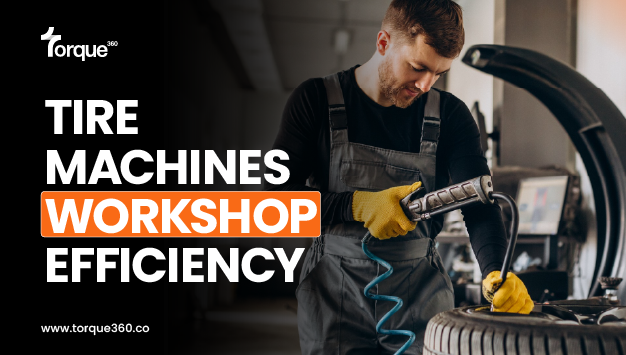
Tire service has changed dramatically over the past few decades, shifting from heavily manual processes to highly efficient workshop systems designed for speed, safety, and consistency. At the centre of this transformation are modern tire changers and supporting workshop equipment that reduce physical strain on technicians while improving turnaround times for customers. Among these systems, tire machines play a crucial role in shaping how quickly and accurately tires can be removed, replaced, and balanced.
In today’s automotive service environments, efficiency is not just about working faster—it’s about reducing errors, improving safety, and ensuring every tire is mounted correctly the first time. Whether in a small garage or a large fleet maintenance depot, the right equipment determines how smoothly the entire workflow runs.
The Evolution of Tire Service in Modern Workshops
Tire service was once a labour-intensive task requiring significant physical effort, mechanical skill, and time. Removing a tire from a rim involved prying tools, manual leverage, and a high risk of damaging both the wheel and the tire itself. As vehicles became more complex and customer expectations increased, workshops needed a more reliable and repeatable method.
This is where structured tire-changing systems began to emerge. Modern tire machines replaced much of the manual strain with controlled mechanical assistance, allowing technicians to focus more on precision rather than force. Over time, these systems evolved into highly engineered tools capable of handling a wide range of tire sizes, including low-profile and run-flat designs that would have been extremely difficult to service manually.
The evolution has not only improved speed but also increased consistency across different operators and workshops, ensuring a more standardized level of service quality.
How Tire Changers Improve Speed and Workflow Efficiency
One of the most noticeable benefits of modern tire service equipment is the improvement in workflow efficiency. A well-equipped workshop can process significantly more vehicles in a day compared to traditional manual methods. This is largely due to automation and ergonomic design features that reduce downtime between tasks.
Technicians can mount and demount tires with minimal interruption, allowing the next job to begin almost immediately. In busy service centres, even small time savings per vehicle can translate into substantial productivity gains over the course of a day.
This is especially true when using advanced tire machines designed for quick clamping, bead breaking, and inflation control. These systems streamline multiple steps into a continuous process, reducing the need for repeated adjustments or manual corrections. As a result, service bays operate more smoothly, and customers experience shorter waiting times.
Workshops that adopt these systems often report improved job scheduling accuracy, as each tire change becomes more predictable in duration. This reliability is critical for managing high-volume operations.
Precision, Safety, and Reduced Risk of Damage
Speed is important, but precision and safety are equally essential in tire servicing. Incorrect mounting or uneven bead seating can lead to vibration issues, poor handling, or even tire failure. Modern equipment is designed to minimise these risks through controlled motion and consistent pressure application.
With properly calibrated tire machines, technicians can ensure that the tire bead is seated evenly on the rim without excessive force. This reduces the likelihood of rim scratches, bead damage, or improper inflation. It also helps maintain the structural integrity of both tire and wheel, which is particularly important for modern alloy wheels and performance tires.
Safety is also improved for technicians. Manual tire changing exposes workers to strain injuries and repetitive stress, especially when dealing with larger or stiff sidewall tires. Mechanised systems reduce the need for excessive physical exertion, creating a safer working environment and reducing long-term injury risk.
Key Components That Drive Efficiency in Tire Service Systems
The efficiency of a tire workshop depends heavily on the design and functionality of its equipment. Key components such as bead breakers, mounting heads, and turntables all contribute to smoother operation and reduced handling time.
Advanced tire machines integrate these components into a unified system that allows for continuous workflow. For example, automatic bead breakers apply consistent pressure to loosen the tire without damaging the rim, while precision mounting arms guide the tire into position with minimal manual intervention.
Digital pressure systems and foot-controlled operations also enhance accuracy and ease of use. These features reduce the cognitive load on technicians, allowing them to focus on monitoring rather than manual adjustment. Over time, this leads to fewer mistakes and more consistent results across different operators.
Workshops that rely on outdated or partially manual systems often experience bottlenecks, particularly when handling modern tire types. Upgraded equipment helps eliminate these inefficiencies and supports a more scalable service model.
The Role of Technician Skill and Equipment Integration
Even the most advanced equipment is only as effective as the technician using it. Skill and training remain essential in ensuring that tire service is performed correctly and safely. However, modern systems are designed to support technicians rather than replace their expertise.
A skilled technician understands how to interpret tire condition, adjust machine settings appropriately, and identify potential issues such as uneven wear or structural damage. When combined with reliable equipment, this expertise leads to highly consistent outcomes.
In well-organised workshops, tire machines are integrated into a broader workflow that includes inspection, balancing, and alignment. This integration ensures that each stage of the service complements the next, reducing delays and improving overall service quality.
Why Equipment Choice Shapes Long-Term Workshop Performance
The choice of equipment has a long-term impact on both productivity and service quality. Workshops that invest in reliable systems tend to experience fewer breakdowns, lower maintenance costs, and improved customer satisfaction due to faster turnaround times.
Modern tire machines are designed not only for performance but also for durability, supporting continuous daily use in demanding environments. This reliability is essential for workshops that handle high volumes of vehicles or operate under tight scheduling constraints.
Ultimately, the efficiency of tire service depends on the balance between technology, training, and workflow design. When these elements align, workshops can deliver faster, safer, and more consistent results, meeting the expectations of today’s drivers while maintaining high professional standards.