

Is your auto repair shop spending more time fixing workflows than fixing cars?
If your front desk is handling calls and your technicians are waiting for approvals, your schedule is constantly getting reshuffled. Many auto repair businesses in the U.S. are struggling to keep up with rising demand and tighter margins. Customers now expect Amazon-level efficiency.
In 2025, staying competitive means embracing smarter, faster, and more connected ways to run your shop. To streamline auto repair shop operations, shop owners must rethink outdated systems and adopt new technologies. They also need to refocus on what matters: delivering top-tier service efficiently.
In this auto shop operations guide, we’ll walk you through proven strategies to optimize operations and boost technician productivity. You’ll also learn how to grow your business using modern tools.
Why Operational Efficiency is Non-Negotiable in 2025
Auto repair is no longer just about wrenches and engines. It’s about systems, speed, and customer satisfaction.
Today’s customers expect quick turnarounds, real-time updates, and transparency. Technicians want smoother workflows and modern tools. Without efficient operations, shops risk losing both.
You can no longer afford to ignore auto repair business operations tips. They’re necessary for survival and growth. In fact, according to LLC Buddy, independent auto repair shops carry out about 75% of all aftermarket vehicle repairs in the U.S.
From scheduling to inventory to communication, every part of your operation must be synced and optimized.
Let’s first look at what’s holding most shops back.
Understanding Operational Challenges in Auto Repair Shops
Before making changes, you need to identify the root problems in your operations. Most shops experience:
- Manual processes and paperwork that slow things down.
- Lack of workflow visibility is making it hard to track jobs and technician performance.
- Disorganized scheduling leads to overlaps, idle time, and customer frustration.
- Low technician utilization results in missed revenue and higher labor costs.
According to Mordor Intelligence, the U.S. automotive service market is projected to grow from US$182 billion in 2024 to US$309 billion by 2033. So, fixing these gaps is step one to creating a shop that runs like a machine.
10 Tools And Strategies to Streamline Auto Repair Shop Operations
If you want to reduce chaos, increase throughput, and deliver better service, here’s where to start:
1. Digital vehicle inspections for transparency
Digital vehicle inspections help build trust between your shop and your customers. They provide clear, visual proof of needed repairs. When customers receive photos and videos showing the exact issues, they’re more likely to approve work quickly and confidently. Key benefits include:
- Visual evidence reduces uncertainty and builds customer confidence in recommended repairs.
- Quicker approvals mean repairs start sooner, improving workflow and cash flow.
- Clear documentation helps avoid misunderstandings and billing conflicts, enhancing customer satisfaction.
Digital vehicle inspections improve transparency and reduce the time technicians spend explaining repairs. In fact, according to Business Research Insights, the global vehicle inspection software market was valued at $1.5 billion in 2024. It’s projected to grow to $3.2 billion by 2033. This shows just how fast shops are adopting these tools to simplify communication and boost efficiency.
2. Technician performance with smart systems
Technicians often lose valuable time walking back and forth to the front desk. They also spend time chasing down work orders or waiting for parts. These inefficiencies can add up, reducing your shop’s overall productivity and cash flow. To help your team work smarter and faster, here are technician productivity tips for auto shops:
- Assign and monitor tasks in real time, so everyone knows what to work on next without unnecessary delays or confusion.
- Live job updates keep technicians informed about parts availability, approvals, and schedule changes, helping them stay on track.
- Easy access to repair guides and customer vehicle histories saves time searching for information, enabling faster, more accurate repairs.
A WrenchWay Insiders poll found that 27% of technicians say poor processes impede their productivity the most. This includes inefficient workflows and a lack of real-time tools. So, these tools help your team stay in the bay, not in line.
3. Scheduling and layout optimization ideas
Efficient scheduling and thoughtful shop layout are key to keeping your workflow smooth and avoiding costly delays. By strategically organizing your space and calendar, you can maximize productivity and reduce technician downtime. Here’s how to optimize:
- Arrange jobs that require similar tools or expertise in sequence to cut down on back-and-forth movement and prep time.
- Position workstations, parts storage, and tools close to service bays to reduce walking time and speed up repairs.
- Use software to prevent overbooking or scheduling gaps. Automated appointment reminders reduce no-shows and keep your bays full.
These simple changes to scheduling and layout can instantly improve your shop’s daily throughput.
4. Auto shop efficiency with integrated platforms
Many shops rely on separate systems for POS, customer management, payments, and inventory. This disconnect often leads to delays, duplicate work, and errors that slow down operations. An integrated platform that syncs inventory, service history, and payments can transform your workflow by:
- Providing a unified dashboard to manage all aspects of your shop, minimizing data entry errors by automatically updating records.
- Simplifying communication between the front office, technicians, and parts departments for faster job completion.
- Offering real-time visibility into shop performance, enabling quicker decision-making and better resource allocation.
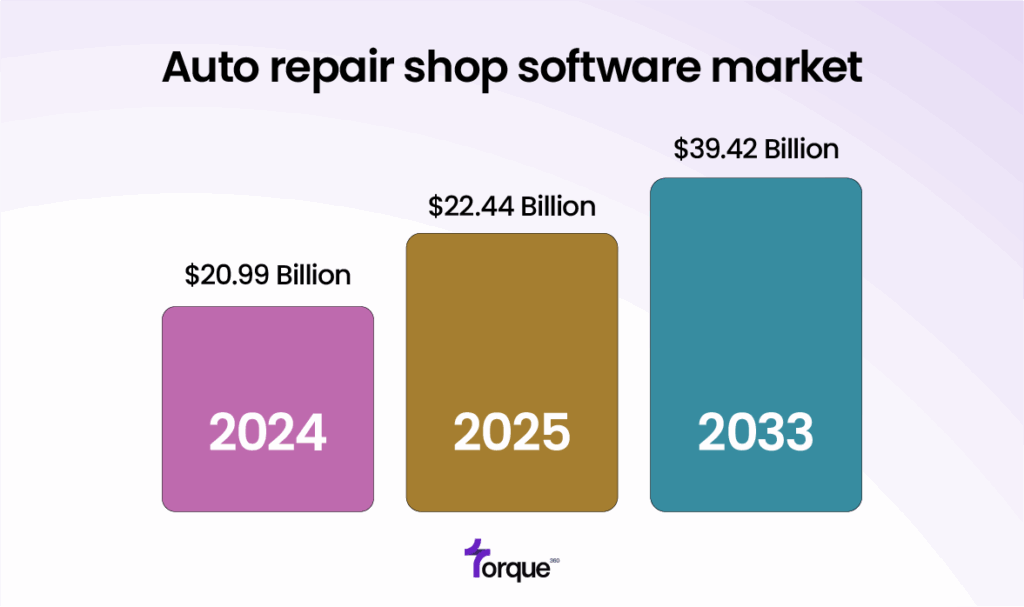
According to Global Growth Insights, in 2025, over 67% of SMEs in the auto repair industry actively use digital workflow software to enhance efficiency and reduce manual tasks. That’s how you improve auto shop efficiency and simplify your life.
5. Customer retention with proactive service reminders
Customer retention costs less than acquisition and is easier with the right tools. The right tools help you stay connected with customers by automating service reminders and follow-ups. With personalized messages sent via SMS or email, you can remind customers about upcoming services. Here are some customer retention strategies in auto repair:
- Schedule timely notifications based on service history and mileage, reducing no-shows and boosting repeat visits.
- Encourage repeat business by offering targeted discounts to returning customers directly through the platform.
- Launch and track referral campaigns with exclusive offers, turning satisfied customers into brand advocates.
60% of people believe that good customer service is key to customer retention. So, these smart features increase customer loyalty and keep your bays full. They also reduce marketing costs by engaging your existing customer base effectively.
6. Reduce technician turnover through better tools
Skilled technicians are hard to find and even harder to keep. However, retaining them is critical to your shop’s success. Tools empower your techs to eliminate repetitive administrative tasks. They also help streamline workflows, letting them focus on what they do best. To reduce technician turnover in auto shops, focus on:
- To streamline auto repair operations, start with digital job tracking and real-time updates minimize downtime and reduce frustration caused by paperwork or chasing approvals.
- Use performance dashboards to set transparent goals and tie achievements to rewards, boosting motivation and job satisfaction.
- Support your team’s work-life balance by easily managing shifts and job assignments through the platform, helping prevent burnout.
When technicians feel equipped, recognized, and supported, they’re more engaged and loyal. This leads to lower turnover and higher productivity.
7. Smart marketing for auto repair shops
You don’t need a massive ad budget to attract new customers. Smart, targeted marketing can make all the difference when you plan to streamline auto repair shop operations. Leverage local digital marketing with tools designed to grow your customer base and boost loyalty efficiently. You don’t need a massive ad budget to attract new customers. Here’s how smart marketing for local auto repair shops helps you:
- Keep your shop’s profile updated with accurate hours, services, and photos to improve local search rankings and attract nearby customers.
- Send personalized promotions, service reminders, and review requests through automated messaging without manual effort.
- Attract new customers with exclusive introductory offers and encourage them to refer friends and family using built-in referral program features.
- Use reporting tools to monitor which campaigns bring in the most business, allowing you to refine your strategies and maximize your budget.
By combining automation with local, personalized marketing tactics, you can grow your customer base steadily and cost-effectively.
8. Reporting tools that help you make the right calls
Data drives success, and with the right reporting tools, you can uncover hidden inefficiencies and make smarter business decisions. With powerful analytics that track every aspect of your shop’s performance in real time, you can identify growth opportunities. You can also discover areas for cost savings. Key metrics to monitor include:
- Understand productivity levels to optimize workforce allocation and identify training needs. The dashboards give you live insights on who’s performing best and where improvements are needed.
- Analyze which repairs bring in the most profit and which ones might be costing you. This helps you prioritize high-margin services and manage pricing strategies effectively.
- Track customer loyalty trends and the effectiveness of your marketing efforts. Knowing the balance helps tailor your outreach and retention plans.
Deloitte’s research shows that consumers increasingly expect transparency and efficiency from automotive businesses. Reporting tools support this by offering live insights into shop performance and customer trends. With these insights, you can plan smarter, scale faster, and keep your operations running smoothly.
9. Inventory automation to avoid repair delays
Missing parts and supplies can bring your shop to a halt. It causes frustrating delays and unhappy customers. Smart inventory automation tools help you stay ahead by ensuring you always have the right parts on hand. Here’s how smart inventory management can transform your operations:
- Set reorder points for commonly used parts and materials so you can purchase orders before stock runs out.
- Receive instant notifications when essential parts dip below thresholds, allowing you to act before delays happen.
- Monitor which parts are used most frequently for specific repairs or vehicles, helping you forecast demand and optimize stock levels.
Managing the auto parts system is an important step towards streamlining your auto repair operations. You can do this by reducing downtime caused by missing parts; these systems help your team complete jobs faster. This improves customer satisfaction and boosts your shop’s overall efficiency.
10. Standardized processes to reduce decision fatigue
Consistency is key to reducing errors and confusion in your shop. Standardized processes help you organize workflows. This ensures every job runs smoothly and every technician knows exactly what to do, cutting down on delays and miscommunication. Here’s how standardization improves your operations:
- Create repeatable templates for routine tasks to ensure nothing is missed during vehicle intake or inspections. This guarantees thorough and consistent service every time.
- Standard operating procedures (SOPs) embedded in guide techs step-by-step through repairs, minimizing guesswork and speeding up training.
- Technicians can access up-to-date instructions, manuals, and checklists on their tablets or phones.
Standardized processes help new employees ramp up faster. They also improve the overall customer experience by delivering reliable, high-quality service every time.
Streamline Auto Repair Shop Operations Today
Running an auto repair shop doesn’t have to mean struggling to keep up with chaos day in and day out.
With the right tools and systems, you can streamline auto repair shop operations and improve efficiency. This also helps deliver a better experience for your team and your customers. Whether you’re struggling with technician productivity, scheduling nightmares, or customer drop-offs, there’s a smarter way forward.
Torque360 is designed to help shops like yours bring everything into one powerful, easy-to-use platform. From digital inspections to integrated payments and performance tracking, we’ve got your back.
Frequently Asked Questions
1. What are the challenges of the automotive industry in 2025?
Auto repair shops must deal with inefficient workflows, technician shortages, disorganized scheduling, and the pressure to deliver fast, transparent service.
2. How do I organize my auto repair shop?
Organize your auto repair shop by optimizing both layout and workflow. Group related services together to reduce technician movement, and design your space to support smooth job transitions. Automate scheduling to avoid overbooking or downtime.
3. How to manage an automotive repair shop?
Managing an automotive repair shop requires using integrated tools to simplify daily operations. Implement digital inspections, real-time job tracking, and automated service reminders. Focus on technician efficiency, clear SOPs, and inventory automation to reduce downtime. Use data-driven reports to make smarter decisions and improve shop performance long-term.